How Fixture Scheduling Gaps Between European and Domestic Commitments Reshape Player Availability Data for Over 2
Devon Müller · Aug 26, 2026
How Fixture Scheduling Gaps Between European and Domestic Commitments Reshape Player Availability Data for Over 2
European club competitions create distinct scheduling patterns that separate midweek continental matches from weekend domestic fixtures, and these intervals directly influence the datasets used to track player availability for markets involving over 2 goals. Leagues across England, Spain, Germany, Italy and France release fixture lists months in advance, yet European draws occur later and introduce variables that stretch recovery windows between games.
European Calendar Mechanics and Domestic Overlap
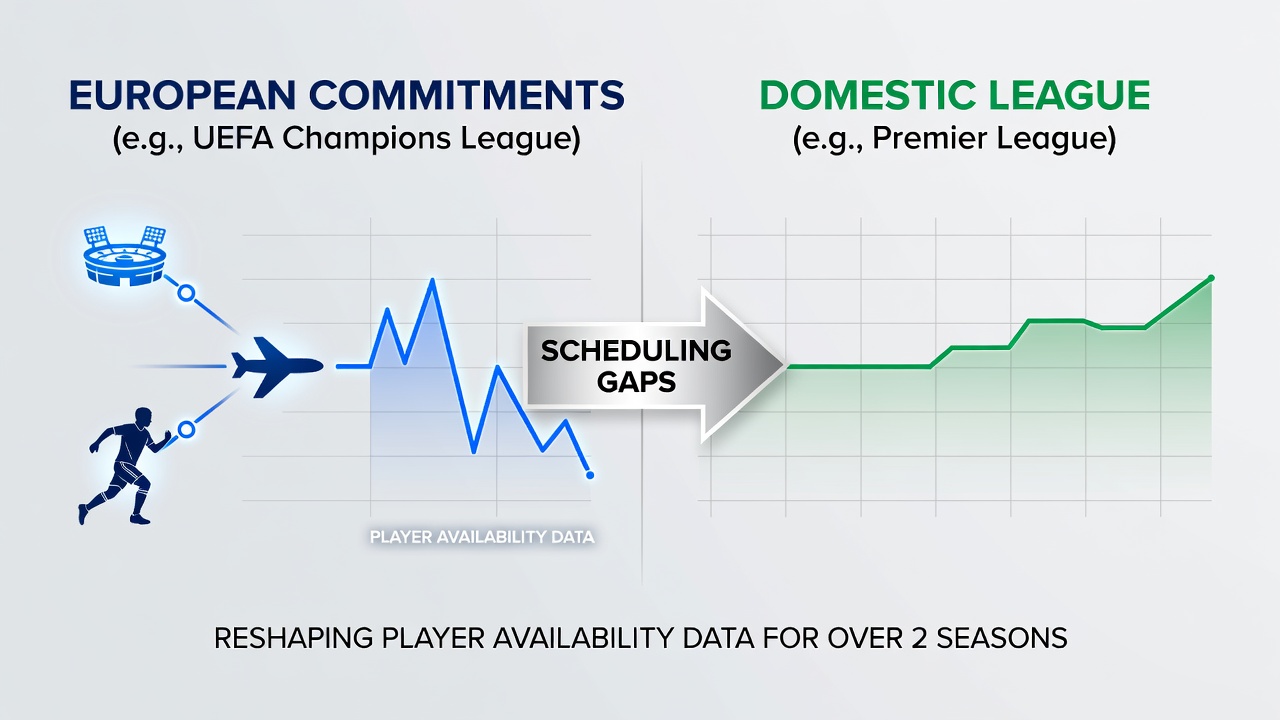
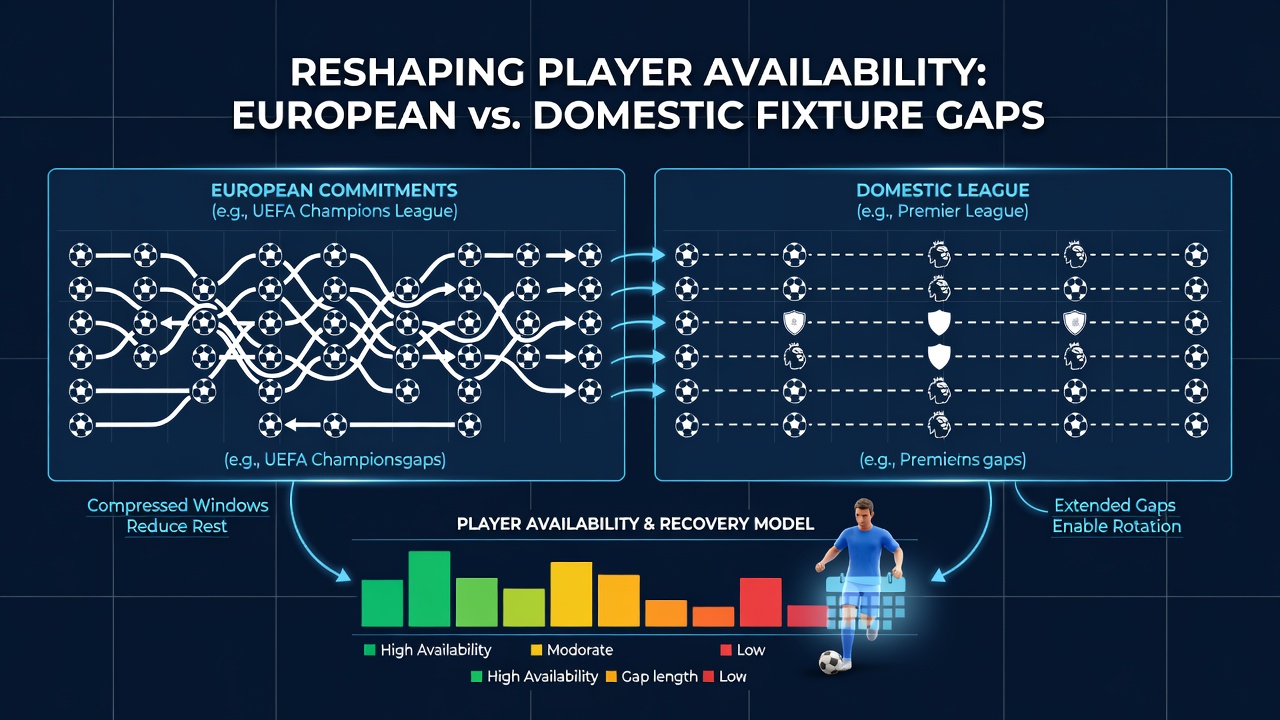
UEFA schedules group-stage and knockout matches on Tuesdays and Wednesdays, while domestic leagues typically play on Saturdays and Sundays; the resulting four-to-five-day gaps determine how many players return to full training before the next fixture. When a team plays in Europe on Wednesday night and travels home on Thursday, the domestic match often falls on the following Saturday, compressing preparation time and altering squad selection records that feed availability statistics.
Clubs must log minutes played, travel distances and recovery days in centralized databases that governing bodies and performance analysts maintain. These records show that players who feature in both competitions accumulate higher fatigue markers in the days immediately after European ties, and this information updates availability percentages used for statistical modeling of goal totals.
Data Collection Methods Across Leagues
Performance tracking platforms collect GPS, heart-rate and sleep data from players at clubs participating in both competitions, then aggregate the figures into league-wide reports. The English Premier League, La Liga and Bundesliga each publish weekly squad lists that note absences due to injury or rotation, and analysts cross-reference those lists against European match dates to identify recurring patterns. In August 2026 the new UEFA league-phase format begins, which adds extra midweek rounds in September and October and will expand the sample size for these comparisons.
Official match reports filed with confederations include exact kick-off times, venue locations and player substitution timings, all of which enter the same datasets. Researchers combine these details with domestic fixture calendars to calculate the precise number of rest days between commitments, producing granular availability curves that reflect how often key squad members miss or start games following European travel.
Impact on Availability Metrics for Over-2 Markets
Availability data feeds directly into models that estimate the likelihood of matches exceeding two goals. When a high proportion of starting players have appeared in a European fixture four days earlier, the recorded participation rates drop and teams often name altered line-ups. Historical figures from the 2024-25 and 2025-26 seasons demonstrate that such adjustments correlate with shifts in the distribution of total goals recorded in subsequent domestic fixtures.
National associations and club medical staffs update injury databases weekly; these updates flag soft-tissue issues that appear more frequently after compressed schedules. The resulting percentages appear in public squad announcements and are incorporated into broader statistical repositories used by analysts. Because the gaps vary by competition stage, knockout rounds produce longer recovery windows than group-stage weeks, and the data sets capture these differences through separate rest-day cohorts.
Regional Variations in Scheduling Practices
Northern European leagues face shorter daylight hours in winter, which sometimes forces midweek domestic rescheduling and further narrows the window between European and league games. Southern leagues, by contrast, maintain more consistent weekend slots, yet travel distances to eastern venues in the UEFA league phase can extend recovery needs. Data from the European Club Association shows that clubs based farther from major airports log additional travel hours, and these hours appear in availability calculations that differentiate between short-haul and long-haul European ties.
Youth and reserve-team fixtures sometimes fill the gaps, allowing managers to rest first-team players; however, official availability records still mark those players as unavailable for the senior squad. This practice creates consistent data points that analysts track across multiple seasons without relying on subjective assessments of individual form.
Conclusion
Fixture scheduling gaps between European and domestic commitments generate measurable changes in player availability records that analysts compile for statistical purposes. The data, drawn from official match reports, medical logs and league publications, illustrate how rest intervals shape squad composition and participation rates in fixtures that feature in over-2 goal calculations. As the 2026 calendar introduces additional midweek rounds, the volume of comparable observations will increase, allowing continued refinement of these availability metrics across competitions.