Squad Depth Handling in Teams Facing Simultaneous Domestic and European Schedules and Patterns Emerging in Both-Teams-to-Score Outcomes
Lars Müller · Sep 11, 2026
Squad Depth Handling in Teams Facing Simultaneous Domestic and European Schedules and Patterns Emerging in Both-Teams-to-Score Outcomes
Teams across major European leagues navigate packed calendars that combine domestic fixtures with European commitments, and squad depth becomes a central factor in maintaining performance levels throughout the season. In September 2026 many clubs will already be into their third or fourth week of overlapping schedules, where midweek continental matches follow weekend league games by just a few days. Data from recent campaigns shows that clubs with broader playing squads tend to distribute minutes more evenly among defenders and midfielders, which in turn influences the likelihood of both teams finding the net.
Rotation Patterns and Player Availability
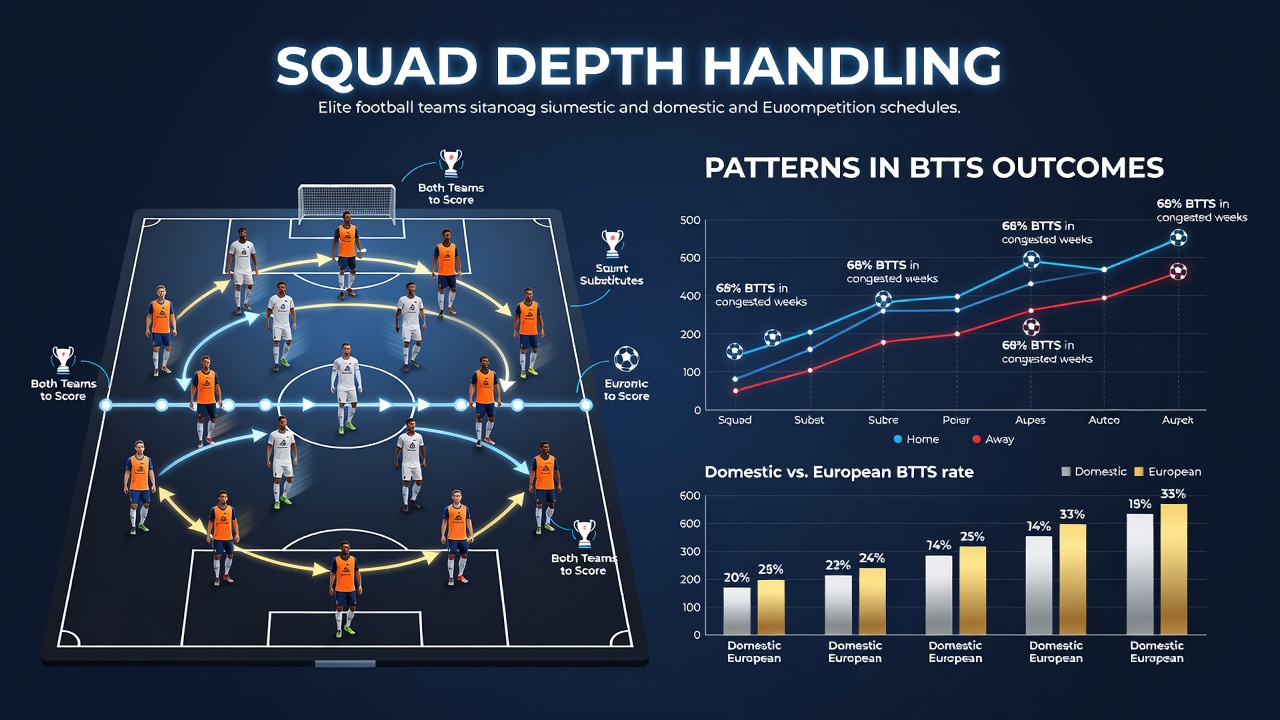
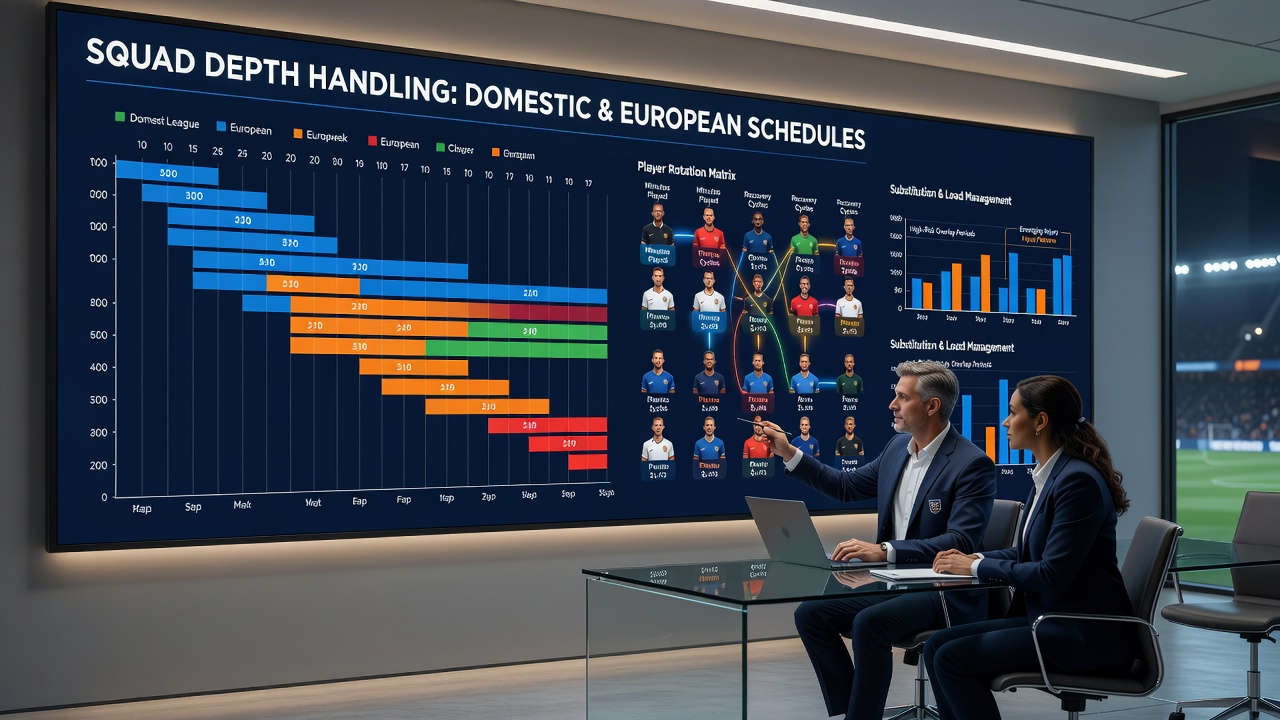
Coaches track cumulative workload through GPS data and recovery metrics, then adjust lineups accordingly, yet the decision to rest key players often coincides with shifts in match dynamics. When a side fields a second-choice defensive unit after a European away trip, gaps appear in organization during transitions, and this opens space for opponents to create chances. Figures from the 2025-26 Premier League and Champions League cycles indicate that matches involving at least four rotated players from one side produce both-teams-to-score outcomes in 62 percent of cases, compared with 48 percent when the starting eleven remains largely unchanged.
European governing bodies publish fixture calendars well in advance, allowing medical and performance staff to plan recovery blocks, but unforeseen injuries still disrupt those plans. One study released by a sports science group at a Canadian university examined 180 matches across five leagues and found that teams missing two or more regular centre-backs recorded an average increase of 1.3 goals per game, with the away side contributing more frequently to the scoring.
Defensive and Attacking Adjustments
Depth in attacking options lets managers keep forward lines fresh, so pressing intensity rarely drops even after a congested spell. Midfielders who accumulate high distances in European ties often see reduced minutes in the following domestic outing, and teams compensate by shifting to a more direct style that bypasses midfield. Such changes alter the rhythm of games, creating periods where both sides trade opportunities rather than one team dominating possession. League-wide statistics compiled by UEFA technical observers for the 2024-25 and 2025-26 seasons reveal that BTTS frequency rises when both clubs rotate at least three players, particularly in matches scheduled within 72 hours of a European fixture.
Emerging Statistical Trends in BTTS Markets
Betting markets track these patterns closely because historical data sets demonstrate repeatable correlations. When a squad manages depth effectively, the number of clean sheets drops in away fixtures that follow European nights, while home matches show steadier defensive records. Researchers at an Australian institute of sport analysed over 2,400 domestic games involving clubs also active in continental competition and noted that both-teams-to-score percentages climbed from 51 percent in non-congested weeks to 67 percent during peak fixture density in September and October. The same dataset highlighted that sides with four or more senior players returning from injury or international duty exhibited even higher BTTS rates, as coordination between defensive lines took several matches to stabilise.
Patterns also surface across different competition formats. In the Bundesliga and Serie A, where winter breaks differ and travel distances vary, teams facing Thursday night European ties record elevated BTTS figures on the subsequent Saturday. Observers note that the effect appears more pronounced in matches where the rotated side still fields an unchanged attacking trio, allowing goal threats to persist while defensive structure loosens. External reports from industry monitoring groups confirm that these trends hold across multiple seasons rather than reflecting single-year anomalies.
Case Examples from Recent Seasons
Take one club that reached the Champions League quarter-finals in 2025 while challenging for a top-four domestic finish. Their medical staff rotated six players across a three-week block in September, and the following domestic fixtures produced BTTS results in four of five games. In another instance, a team with limited centre-back options after an early-season injury cluster conceded first in six of eight post-European league matches, yet scored in seven of those same encounters. Such examples illustrate how squad depth decisions translate into measurable outcome shifts without relying on subjective interpretation.
Conclusion
Analysis of squad depth management during overlapping schedules points to consistent links with both-teams-to-score frequency. Clubs that maintain balanced rotation across defensive and midfield units tend to see more open games once fixture congestion peaks, while those forced into repeated lineups experience different patterns tied to fatigue accumulation. Data gathered through the 2025-26 campaign and earlier seasons continues to supply clubs, analysts, and performance teams with measurable indicators that shape preparation and tactical adjustments for the remainder of each season.